

December 12, 2025



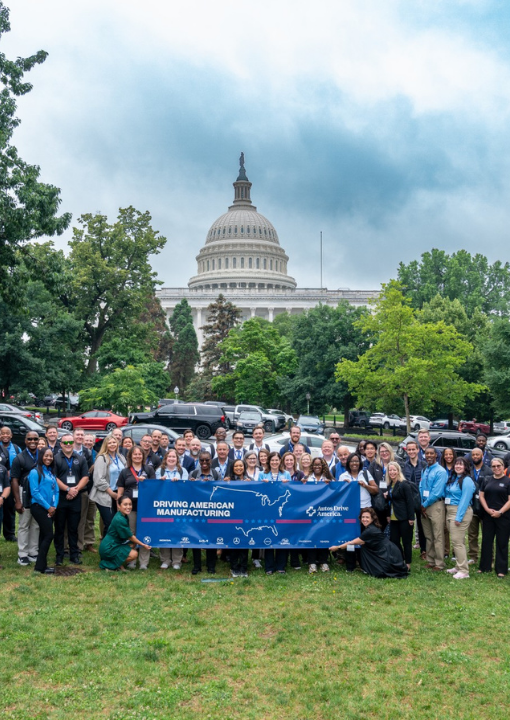
As negotiations surrounding the future of the United States-Mexico-Canada Agreement (USMCA) continue, the strength of the agreement remains critical to the competitiveness of the North American auto industry. Autos Drive America and six other leading auto industry associations have joined together to support the agreement and highlight its importance to U.S. auto manufacturing.
A strong, trilateral USMCA provides the foundation for an integrated North American auto market; supporting nearly 11 million American jobs, driving hundreds of billions of dollars in investment for U.S. manufacturing, and helping keep vehicles affordable for American consumers. At the same time, the industry faces growing competition from China, whose rapidly expanding auto exports and excess production capacity threaten manufacturers and workers around the world. Maintaining a strong North American market is critical to ensuring the United States can compete globally.
The auto industry has come together to highlight the importance of preserving USMCA and allowing its provisions to deliver the benefits they were designed to provide. Read our coalition document to learn more about USMCA’s role in strengthening U.S. auto manufacturing, supporting American jobs, and keeping the North American auto industry competitive.
The United States-Mexico-Canada Agreement (USMCA) is a trade agreement between the U.S., Mexico, and Canada entered into force on July 1, 2020. It replaced the North American Free Trade Agreement (NAFTA), which had been in place since 1994.
The USMCA established more stringent rules for how vehicles must be made to qualify for duty-free trade within North America. These rules were designed to encourage more manufacturing within the United States and North America. Consistency in these rules allows automakers to optimize their production across borders while remaining globally competitive and lowering costs for consumers.
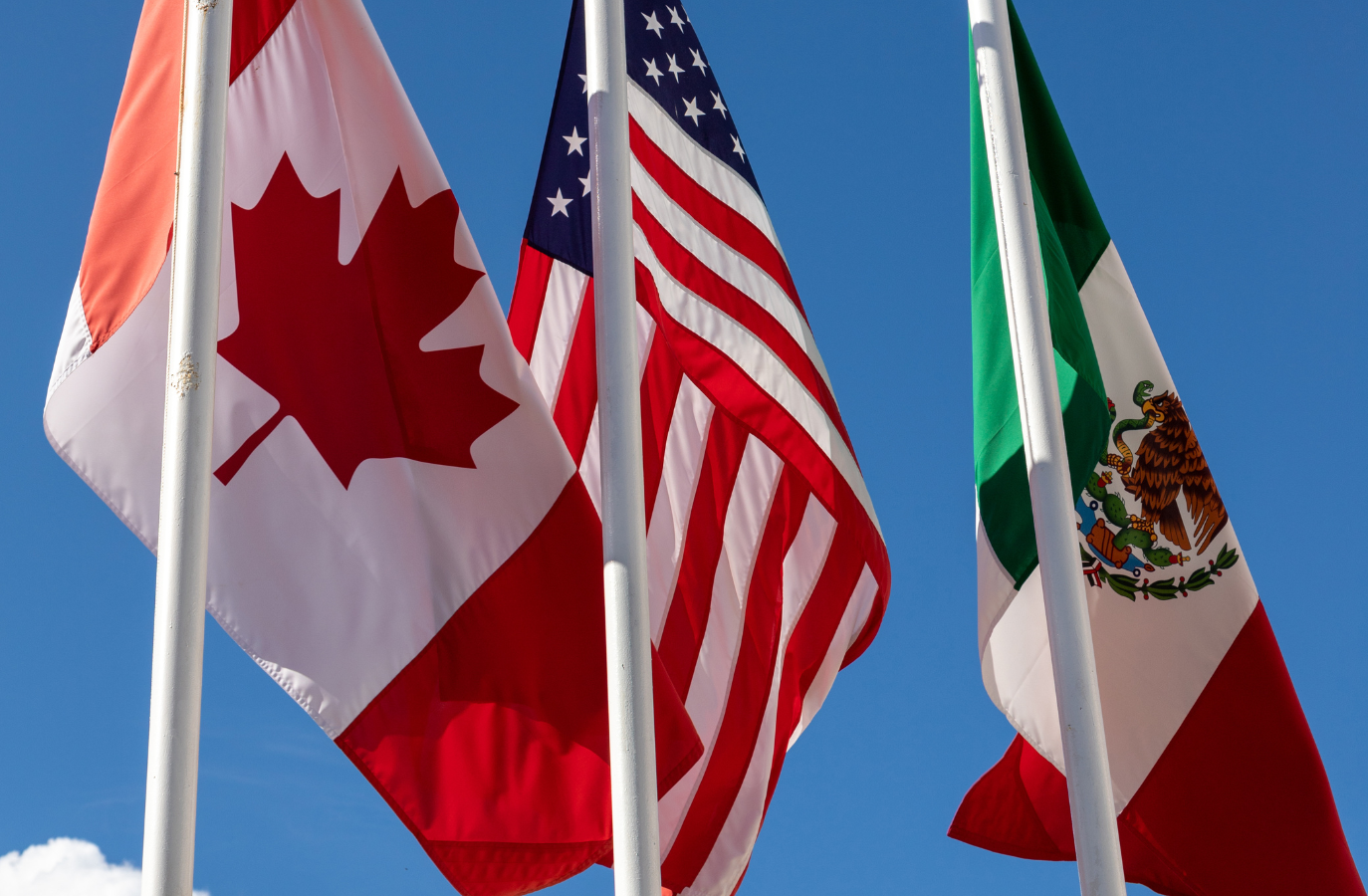
‘Rules of Origin’ (ROO) dictate what percentage of a vehicle and its parts (by value) must be made in North America to qualify for duty-free treatment. For a vehicle to be imported duty-free, the USMCA says a certain high percentage of its parts must be made within the three member countries. This is designed to encourage companies to keep manufacturing jobs in North America.
The USMCA contains the most complex and stringent ROOs of any trade agreement ever negotiated:
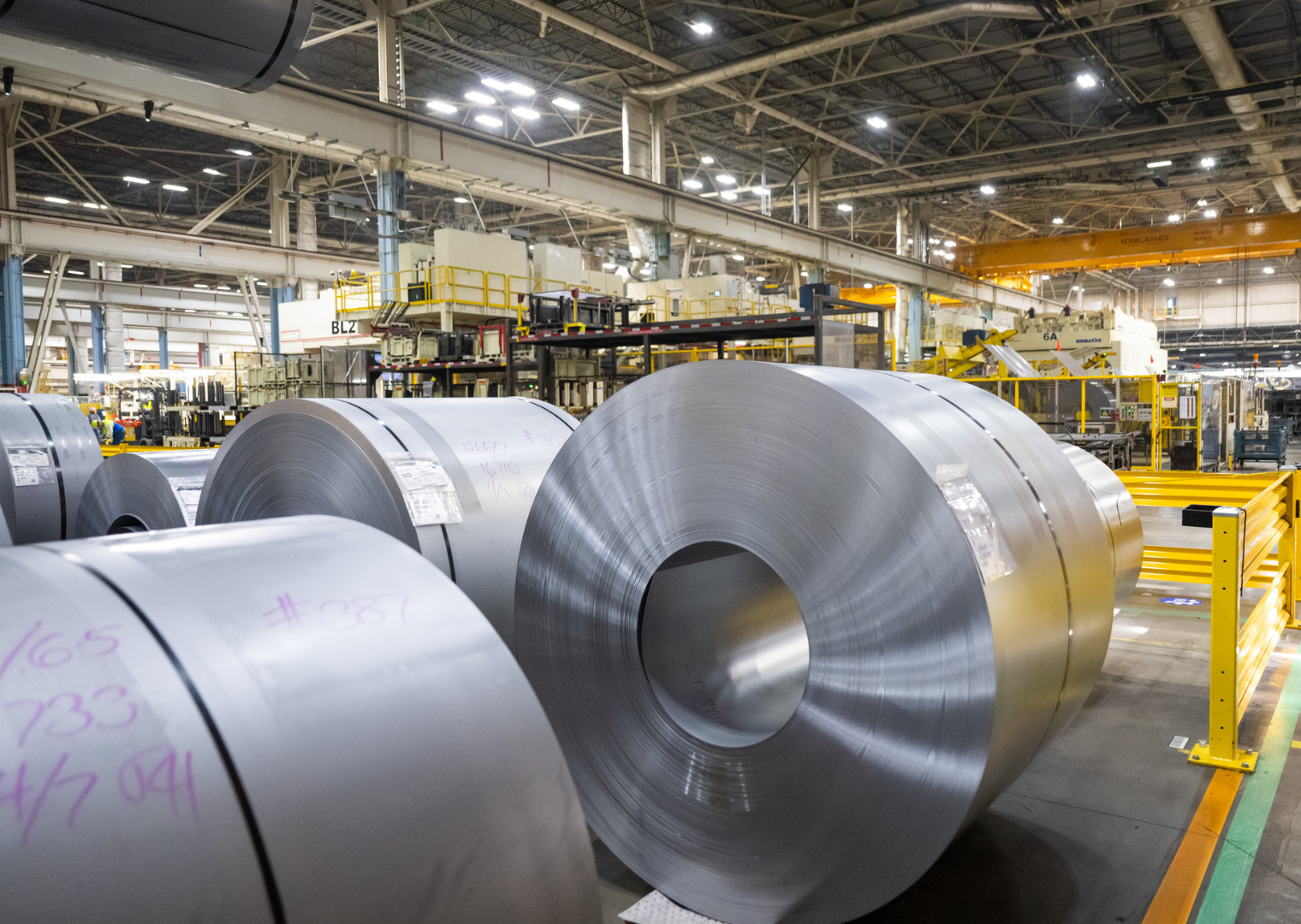
For more than 25 years, NAFTA – and later USMCA – served as the backbone of the highly integrated North American automotive industry, enabling manufacturers to optimize production across borders while remaining globally competitive. USMCA preserved the trilateral framework while improving incentives toward higher wages and increased North American content. Vehicles assembled in the United States routinely contain engines, transmissions, electronics, and components that cross borders multiple times before final assembly. This integration has:


USMCA goes into effect.

Mandated review by the three parties. If a decision is reached, the agreement is extended for sixteen years. If no decision is made, annual reviews begin.

Annual reviews will continue for 10 years.

If no decision is reached by the parties within 10 years, USMCA expires.

A party may withdraw with a six months’ notice.
Learn more in our new automotive affordability white paper.
CLICK HERE