
December 12, 2025



Proponents of tariffs claim that duties on autos and auto parts will strengthen the U.S. auto industry, ushering in a ‘Golden Age’ of American manufacturing. In reality, tariffs will harm the industry, increasing costs, raising prices and hurting consumers and workers alike. Below, we lay out a few of the most common myths about international automakers in the United States and the harmful impact tariffs would have on this American economic powerhouse:
MYTH: International automakers do not manufacture cars in the United States – their U.S. plants are just basic “assembly shops” for foreign automakers.
FACT: International automakers operate 31 production facilities in the U.S. and produced 4.9 million vehicles in 2024. These plants are full manufacturing operations, including press shops that form vehicle bodies from raw steel. Most U.S.-sold vehicles built in the U.S. have a U.S.-made engine (66%), with many also using U.S.-made transmissions. In 2024, nearly 4 million engines were built in the U.S. by Honda, Hyundai, and Toyota alone.
MYTH: Tariffs won’t hurt international automakers because plants can quickly ramp up output to meet demand by using “excess” capacity; reports suggest automakers have nearly 5 million units of potential excess capacity.
FACT: International automakers do not have as much excess capacity available as has been reported. Realistically, only 1.6–1.9 million units of potential excess capacity exist across the entire industry, not 4.6 million as some have suggested. And even that can’t be tapped overnight. Reconfiguring production lines takes months, if not years, and hundreds of millions of dollars.
In 2024, the U.S. auto industry averaged 70% capacity utilization, which is right within the healthy range for efficient, profitable operation. Operating above a healthy range, also known as running an assembly line “too hot,” for too long a period of time can lead to significant issues for an auto manufacturer such as deferred maintenance, increased injury rates, and declines in quality control.
MYTH: International automakers can make everything in the United States; they only choose not to in order to save money.
FACT: No automaker in the U.S. can make a car with 100% American-made parts. Even Detroit-based automakers produce some cars with less than 40% American parts. This is in large part because the United States has established itself as a leading center for high-value production, with an industrial base focused on manufacturing advanced components and technology.
While not every piece of every U.S.-made vehicle is produced in the U.S., many of the high-value parts of a vehicle, such as engines, transmissions, seats, and the finished vehicle itself, are produced in large volumes at American factories. The U.S. has many competitive advantages for producing these high-value parts, which provide good-paying jobs to many Americans.
Furthermore, many of the critical minerals and other natural resources needed to produce some of today’s most popular vehicles are not naturally occurring in large quantities or are not economically viable to source in the United States such as manganese or nickel. Through free trade agreements with our closest allies, we can access these minerals and keep them affordable for U.S. consumers.
MYTH: International automakers are not as committed to the United States as Detroit automakers.
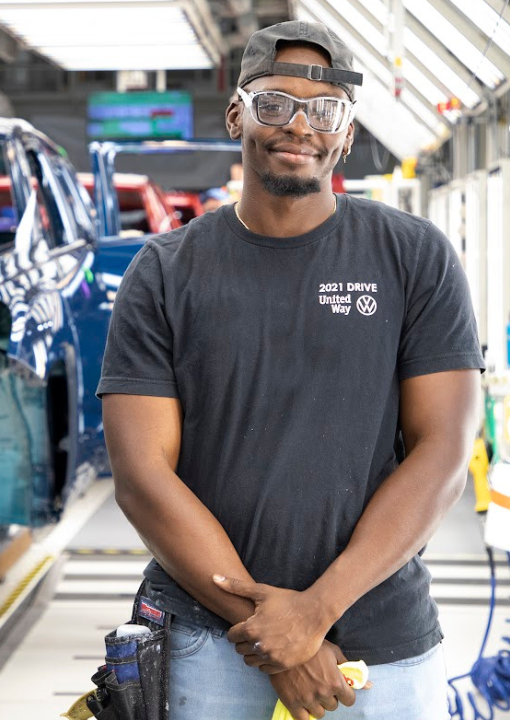
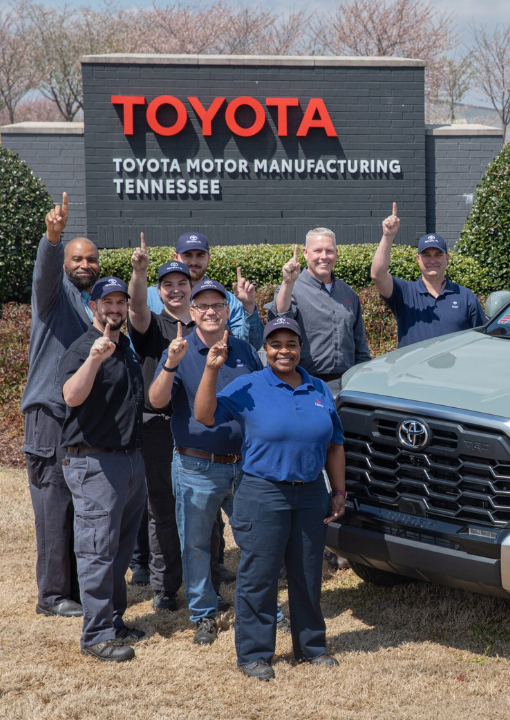
FACT: International automakers have committed more than $124 billion to their U.S. operations. They are part of the fabric of their local communities and have spent the last sixty years dedicated to that commitment. Their workforce – 162,000 strong – is made up of dedicated Americans who are proud to support their local economies. The proof of their commitment is in the numbers: for the past two years, international automakers in the U.S. have out-produced the Detroit 3, with 4.9 million vehicles produced in 2024 alone.
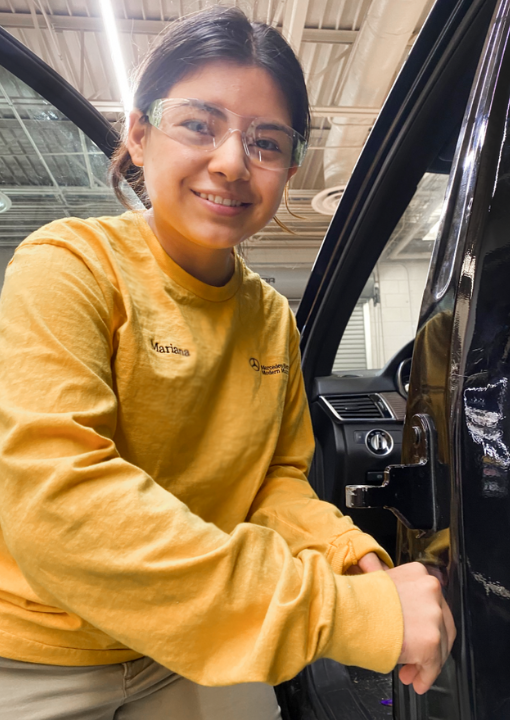
International automakers are also heavily invested in expanding opportunities for the U.S. workforce and are close partners with local schools, colleges, and universities, funding workforce development centers, and launching apprenticeship programs to equip the next generation of American workers with the skills they need for long, rewarding careers. In many states, our partnerships have become models for how industry and education can work together to deliver results and have benefited dozens of local economies.
For example, since 2018, Toyota’s “Driving Possibilities” has invested $110 million in STEM K‑12 programming across several states to prepare students for careers in STEM fields. Subaru has partnered with 510 secondary and post-secondary schools in the past decade to build a vehicle technician talent pipeline. And for the last 25 years, the Volkswagen Academy in Chattanooga has operated a two-year apprenticeship program with Chattanooga State University and a two-year mechatronics program open to high school students in the Hamilton Country School District that combines high school and college courses into a single program.
MTYH: Auto imports threaten U.S. security by weakening the domestic industrial base, as outlined in a report from the Commerce Department.
FACT: The 2025 Commerce Department report on which the auto tariffs are based was widely criticized for using an overly-broad interpretation of “national security” and did not consider significant changes in the U.S. auto industrial base since the report’s original publication in 2019. The new content requirements imposed by the USMCA and supply chain disruptions caused by the COVID-19 pandemic have changed the way automakers and manufacturers have set up and manage certain aspects of their supply chains, mitigating many of the national security concerns outlined in the original report.
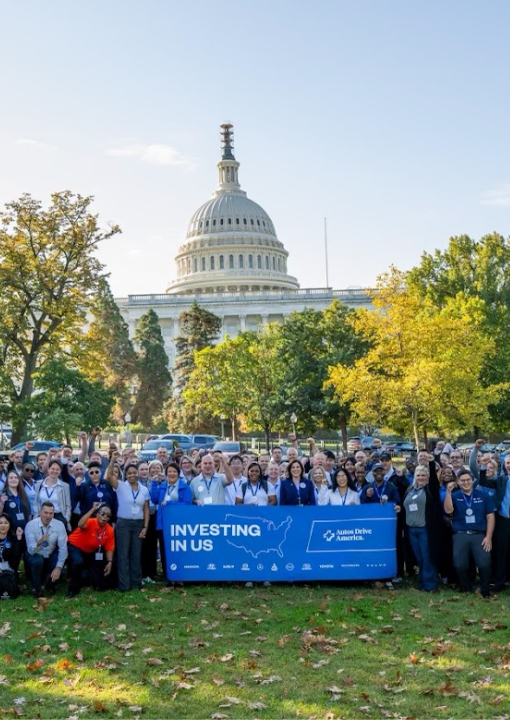
International automakers manufactured more than 4.9 million vehicles in the U.S. in 2024, directly employing approximately 162,000 American workers and supporting an additional 2.4 million jobs. Last year alone, Autos Drive America’s members produced at least 4 million engines at their engine and transmission manufacturing operations – enough for every jeep, truck, and tank the U.S. made throughout WWII. No evidence suggests that imported vehicles or parts threaten the national security of the United States.