

CEO Column

International Automakers are Driving the U.S. Manufacturing Resurgence

Jennifer Safavian
October 31, 2025

October marks Manufacturing Month, a time to celebrate American manufacturing and its outsized impact on the U.S. economy. And international automakers have a great deal to celebrate: Across the country, international automakers are fueling the next chapter of American manufacturing. In 2024 alone, they produced nearly five million vehicles in the United States, outpacing the Detroit automakers for the second consecutive year and directly employing 162,000 workers. Our members’ investments in their U.S. operations now total more than $124 billion, creating high-quality jobs, revitalizing local economies, and driving innovation throughout the industry.  

Thanks to international automakers’ investments, the Midwest region has shed its reputation as the ‘Rust Belt’ and become a 21st century manufacturing powerhouse. In Ohio, Honda is leading a $3.5 billion joint venture with LG Energy Solution to build a new EV battery plant in Fayette County, creating more than 2,000 jobs and powering hundreds of thousands of electric vehicles each year. It’s part of Honda’s broader $16 billion reinvestment across its six Ohio facilities, including retooling plants for hybrid and electric production. 

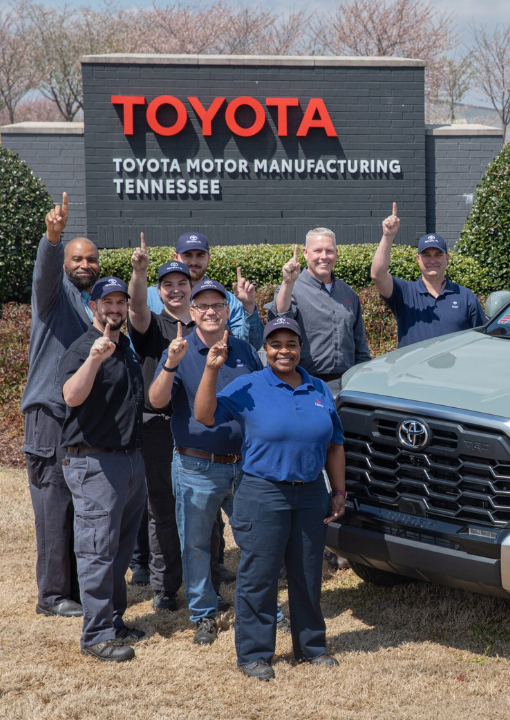
Outside of Ohio, international automakers like Toyota and Subaru continue investing in their U.S. operations throughout the Midwest. Toyota has invested nearly $10 billion in manufacturing facilities in Troy, MO and Princeton, IN, generating millions in local tax revenue and supporting the region’s economic growth.Meanwhile, Subaru of Indiana Automotive alone employs nearly 7,000 workers, and its West Lafayette facility is the company’s only manufacturing plant outside of Japan, building nearly half of all Subarus sold in North America.  

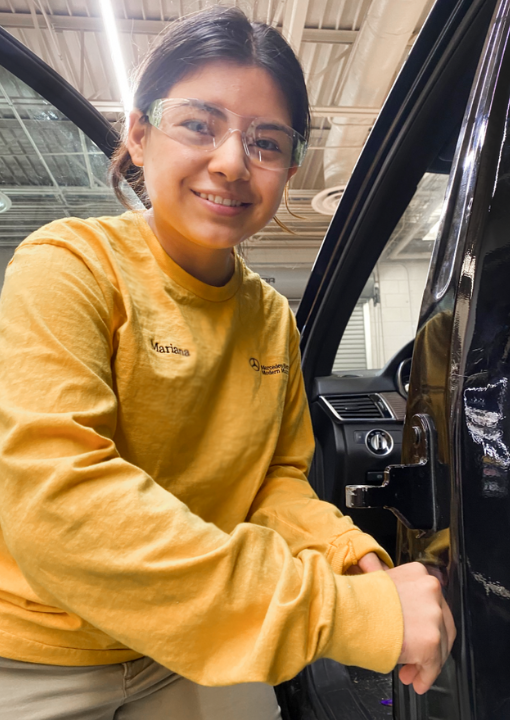
The same story is unfolding across the Carolinas. Toyota’s EV battery facility in Liberty, North Carolina will soon employ more than 5,000 workers, while BMW’s Spartanburg, South Carolina plant—the largest BMW facility in the world—continues to set global standards for efficiency and innovation. The region is also home to Volvo’s only manufacturing facility in the United States, as well as the Mercedes-Benz Charleston Plant, where the company’s iconic Sprinter vans are assembled. International automakers now support more than 17,000 direct manufacturing jobs across these two states and contribute over $18 billion to the regional economy. In 2024, more than 460,000 vehicles were built in the Carolinas, with ten U.S.-made models exported to more than 130 countries. These investments demonstrate how trade and global partnerships translate directly into local jobs and prosperity. 

America’s manufacturing resurgence didn’t happen by chance. It’s the result of smart trade policy and sound tax frameworks that encourage companies to invest, innovate, and hire in the United States.  

For instance, President Trump’s historic United States-Mexico-Canada Agreement (USMCA) ensured that North America would remain globally competitive by driving significant investment in the region, which in turn strengthened critical supply chains, boosted American production and supported millions of jobs in the U.S. Since the USMCA went into effect, international automakers have invested $26 billion in their U.S. operations, with two automakers bringing new manufacturing facilities online in the South. 

Likewise, the President helped foster a pro-growth tax environment through the landmark Tax Cuts and Jobs Act (TCJA) and the continuation of key TCJA tax policies included in the One Big Beautiful Bill Act (OBBBA). The OBBBA’s full expensing for U.S.-based Research and Development, 100% bonus depreciation, and a strengthened Foreign Derived Intangible Income (FDII) deduction were critical wins for automakers and deliver long-term policy certainty that will encourage innovation and investment in U.S. operations and jobs.    

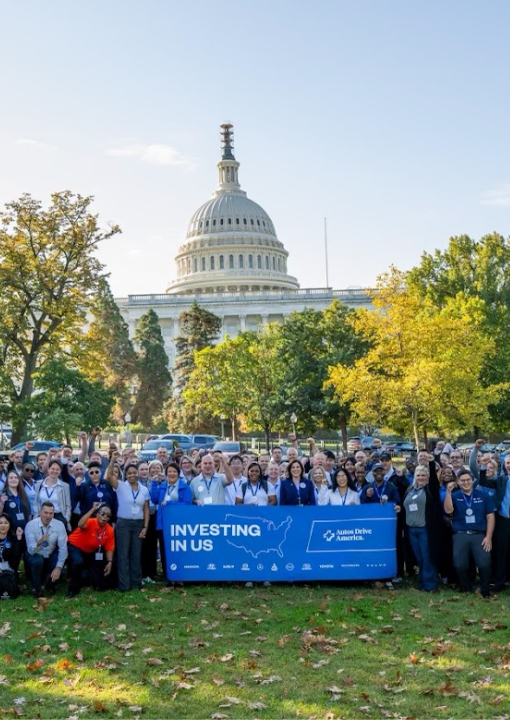
But to maintain the growth of U.S. manufacturing, we need lawmakers to double down on the policies that work—like TCJA and USMCA. Policies that strengthen trade partnerships and reward innovation and workforce development will allow international automakers to continue powering a stronger, more competitive future for American manufacturing.  

As we close out Manufacturing Month, we’re reminded of the contributions international manufacturers have made to our national manufacturing ecosystem and how they’re leading the way forward. From South Carolina to Indiana, and Mississippi to California, international automakers have proved that when we embrace trade, innovation, and partnership, we can build back a stronger chapter for U.S. manufacturing.